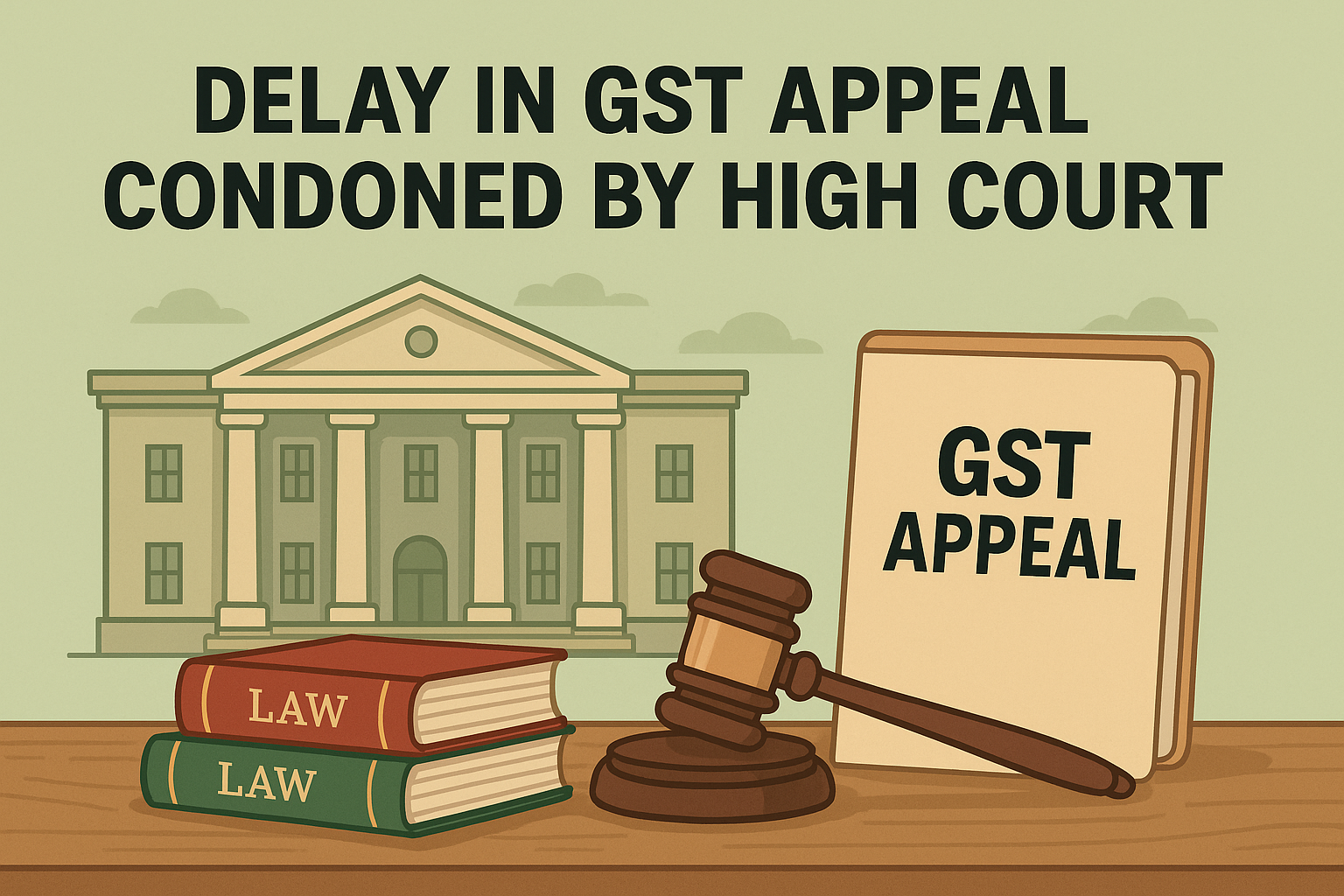
Case: Shaileshbhai Kanjibhai Patel v. State Tax Officer & Ors.
Court: High Court of Gujarat
Petition No.: R/Special Civil Application No. 1303 of 2025
Judgment Date: 27/03/2025
Category of Dispute: Input Tax Credit (ITC denial & condonation of delay)
Relevant Sections:
-
Section 16(2)(c), 74, 107(4) of the CGST Act, 2017
-
Rule 142(1A) of CGST Rules
Facts (Para 3.1–3.5)
The petitioner, proprietor of M/s Camron Sales, engaged in manufacturing and trading of brass products, obtained GST registration in December 2019. In January 2024, the State Tax Officer issued a DRC-01A alleging that the petitioner had availed ITC on purchases from a dealer whose registration was suo moto cancelled and treated as bogus. A show cause notice under Section 74 was issued, and despite petitioner furnishing invoices, e-way bills, weight slips and bank details, the Order-in-Original dated 22.02.2024 demanded reversal of ITC worth ₹66,17,134 along with interest and penalty.
The petitioner’s first writ petition challenging Section 16(2)(c) and the demand was disposed of on 25.06.2024 citing alternate remedy under Section 107. The subsequent statutory appeal was rejected on 11.12.2024 by the Appellate Authority as being time-barred under Section 107(4). Hence, this writ petition was filed.
Questions before Court (Para 2)
-
Whether Section 16(2)(c) of CGST Act is ultra vires Articles 14 and 19(1)(g) of the Constitution?
-
Whether limitation under Section 107(4) is directory, permitting condonation beyond the additional 30 days?
-
Whether the Appellate Authority ought to have considered the time spent in bona fide writ proceedings while computing limitation?
Observations (Paras 4–6)
The Court noted that the appeal was rejected solely on the ground of limitation. The petitioner’s counsel argued that the time spent in pursuing the earlier writ petition was bona fide and ought to have been excluded. The State contended that without specific High Court directions, the Appellate Authority lacked power to condone delay.
The Bench held that where the writ court directs availment of alternative remedy, the time consumed before the High Court must be treated as bona fide. Hence, rejection of the appeal only on limitation was unsustainable.
Judgement (Paras 6–8)
The Court quashed the Order-in-Appeal dated 11.12.2024 and remanded the matter back to the Appellate Authority. It directed that the delay be condoned by treating the period spent before the High Court as bona fide and ordered the appeal to be decided on merits within twelve weeks. The writ petition was accordingly disposed of.
Table of cases referred
| Case | Court | Verdict |
|---|---|---|
| Shaileshbhai Kanjibhai Patel v. State Tax Officer (present case) | Gujarat HC | Delay condoned; appeal remanded for decision on merits |
(No other precedent was cited in the order.)
Between Fine Lines
For taxpayers, this ruling clarifies that if an assessee first approaches the High Court and is then directed to avail the statutory remedy, the time consumed will not prejudice the right to file appeal. The GST Appellate Authority must condone delay in such circumstances and decide the matter on merits, ensuring substantive justice over procedural rigidity.
Disclaimer – “The above summary is for academic purpose only; not formal legal opinion. Seek professional opinion before application. Author or publisher or website shall not be responsible for any usage in any form.”