

Case Title, Court, Petition No., Category, Sections
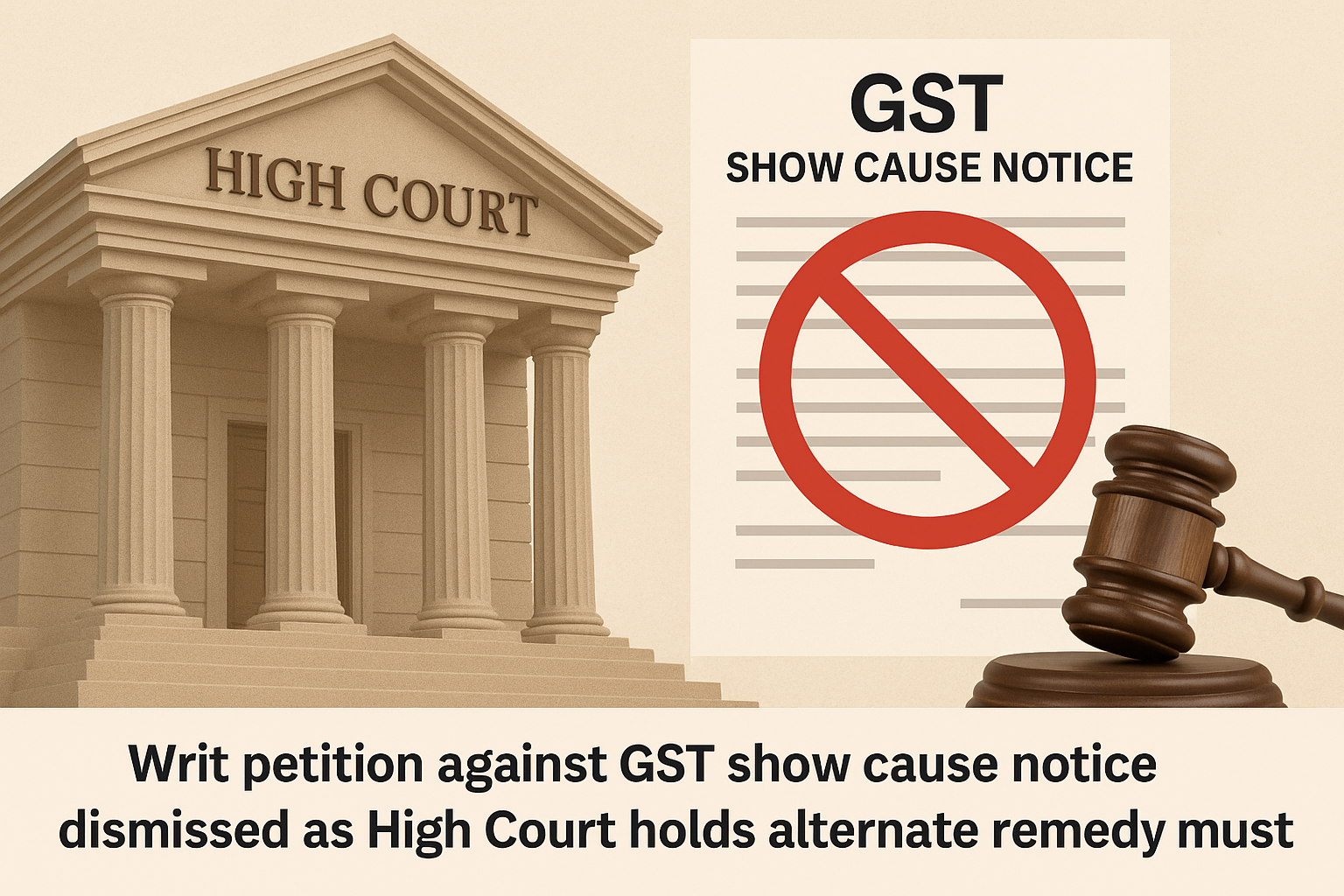
M/s Himalaya Wellness Company v. Union of India & Ors., High Court of Himachal Pradesh, Shimla, CWP No. 9239 of 2024, decided on 08.05.2025.
Category: Input Tax Credit (ITC) – Maintainability of writ petition against show cause notice.
Relevant Sections: Section 16(2)(b), Section 74, Section 107 CGST Act, 2017; Article 226 Constitution of India.
Facts (Paras 4–12)
The petitioner, M/s Himalaya Wellness Company, engaged in supply of personal care and pharmaceutical products, was registered under GST in Himachal Pradesh. It availed Input Tax Credit (ITC) on services of Goods Transport Agencies (GTA), discharging tax under both forward and reverse charge mechanisms. Following an audit, the department alleged discrepancies and issued a final audit report rejecting petitioner’s explanations. A DRC-01A was issued demanding ₹4.37 crores along with interest and penalty. Despite filing a detailed reply, the petitioner was served a show cause notice under Section 74(1) proposing disallowance of ITC, short-paid GST, interest, and penalty. Aggrieved, the petitioner approached the High Court seeking quashing of the notice, retrospective application of amendment to Section 16(2)(b), and a declaration that proceedings under Section 74 could not be sustained absent wilful suppression.
Questions for Determination (Paras 2–3, 13–14)
The central issue before the Court was whether the writ petition was maintainable against a show cause notice when a statutory alternate remedy under Section 107 CGST Act was available. The petitioner argued violation of natural justice and issuance with a pre-conceived mind, while the Revenue argued that the petition was premature since the notice was yet to be adjudicated.
Observations of the Court (Paras 16–24)
The Court reiterated that writ jurisdiction under Article 226 is discretionary and generally not exercised where an effective alternate remedy exists. Exceptions apply only in cases involving breach of fundamental rights, violation of natural justice, lack of jurisdiction, or challenge to vires of law. Reliance was placed on Radha Krishan Industries v. State of H.P. (2021), Commercial Steel Ltd. (2021) and State of Punjab v. Shiv Enterprises (2023), where the Supreme Court clarified that writ petitions against show cause notices are ordinarily not maintainable. The Court noted that the petitioner’s claims of pre-conceived bias and violation of natural justice were unsubstantiated since proceedings were only at the notice stage and detailed adjudication was yet to take place.
Judgment (Paras 25–26)
The High Court dismissed the writ petition as not maintainable, holding that the petitioner must first exhaust the statutory appellate remedy under Section 107 CGST Act. However, all rights and contentions of the petitioner were left open to be considered by the adjudicating authority in accordance with law.
Table of Cases Referred
| Case | Citation | Principle / Verdict |
|---|---|---|
| Radha Krishan Industries v. State of H.P. | (2021) 6 SCC 771 | Alternate remedy rule – writ not maintainable unless exceptions apply |
| Assistant Commissioner of Sales Tax v. Commercial Steel Ltd. | (2022) 16 SCC 447 | High Court erred in entertaining writ against GST demand; statutory appeal under Section 107 must be pursued |
| State of Punjab v. Shiv Enterprises | Civil Appeal No. 359/2023 (SLP (C) No. 19295/2022) | Writ against show cause notice under Section 130 premature; proceedings must continue before proper authority |
Between Fine Lines
For businesses, this ruling underscores that High Courts will not quash GST show cause notices at the threshold. Taxpayers must first respond to departmental proceedings and pursue appeals under Section 107 CGST Act. Invoking writ jurisdiction is possible only in exceptional cases such as jurisdictional error or violation of natural justice. Filing writs against mere notices risks dismissal as premature.
Disclaimer – “The above summary is for academic purpose only; not formal legal opinion. Seek professional opinion before application. Author or publisher or website shall not be responsible for any usage in any form.”

