Case Details
Case Title: CG Tollway Ltd. v. Union of India & Ors.
Court: High Court of Judicature for Rajasthan at Jodhpur
Petition Nos.: D.B. Civil Writ Petition No. 9656/2024 & D.B. Civil Writ Petition No. 10553/2024
Date of Judgment: 03.02.2025
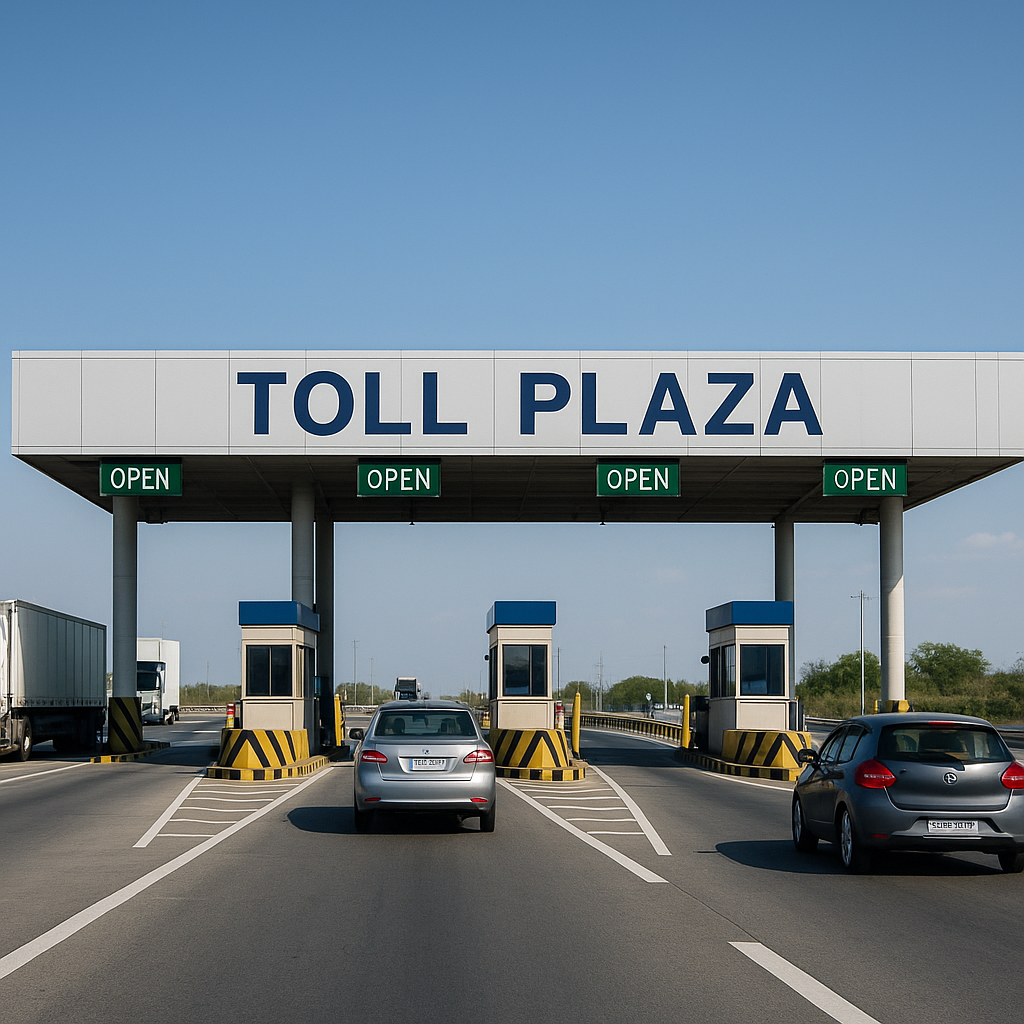
Category of Dispute: Input Tax Credit (ITC) and Taxability of Toll Collection Rights under BOT model
Relevant Sections: Sections 9, 16, 17, 50, 65, 73, 74 of RGST/CGST Act, 2017; Sections 5, 20 of IGST Act, 2017; Circular No. 150/06/2021-GST dated 17.06.2021
Facts (Paras 1–4)
The petitioner, CG Tollway Ltd., challenged two impugned orders dated 22.08.2024 and 05.08.2024 under the RGST/CGST/IGST Acts. These orders raised demands concerning taxability of toll collection rights and denial of ITC claims in the context of a Build-Operate-Transfer (BOT) concession agreement with NHAI.
The petitioner argued that toll collection rights granted by NHAI are exempt under GST, relying on CBIC clarification dated 28.06.2021 and audit findings of the States of Gujarat and Karnataka, both of which accepted that no taxable supply arose in such BOT models. Gujarat’s audit confirmed exemption of toll rights, while Karnataka’s audit report recorded ITC reversal by the SPV and dropped further proceedings after verification.
Questions before Court (Paras 1–2, 5–6)
-
Whether the writ petitions were maintainable against the impugned orders, or the petitioner was required to avail the appellate remedy.
-
Whether reliance on Circular No.150/06/2021-GST and audit reports of Gujarat and Karnataka should be considered while deciding the dispute on taxability of toll collection rights and ITC reversals.
Observations (Paras 3–6)
The Court noted that the petitioner’s case essentially rested on the clarificatory Circular of 2021 and audit reports of Gujarat (dated 19.06.2023) and Karnataka (dated 28.06.2024). Both audit authorities had accepted that toll collection rights granted under BOT concessions were not taxable services under GST and therefore, ITC could not be claimed but stood reversed accordingly.
The Court also recorded the State’s assurance that if an appeal was filed, the authorities would duly consider these documents and the circular, besides following statutory provisions.
Judgment (Paras 5–8)
The High Court held that the petitioner had an effective statutory remedy of appeal. Accordingly, the writ petitions were disposed of with liberty to file appeals within 15 days, directing that such appeals be decided preferably within 3 months. The appellate authority was instructed to strictly consider:
-
Circular No.150/06/2021-GST dated 17.06.2021,
-
Audit Report of Gujarat (19.06.2023), and
-
Audit Report of Karnataka (28.06.2024).
The Court left it open for both parties to raise all contentions before the appellate forum.
Cases/Authorities Referred
| Case / Authority | Citation / Reference | Verdict / Relevance |
|---|---|---|
| CBIC Clarification on BOT model | F. No. CBIC-190354/77/2021-TO(TRU-II)-CBEC, dated 28.06.2021 | Confirmed that toll collection rights under BOT are exempt from GST |
| Audit Report – Gujarat | No.09/DC-12/GST AUDIT/2022-23/No.339/40, dated 19.06.2023 | Verified taxpayer’s position that toll collection rights are exempt and issue was settled |
| Audit Report – Karnataka | No.DCCT(Audit)-1/2024-25, dated 28.06.2024 | Accepted ITC reversal by SPV, held no taxable supply to NHAI, proceedings dropped |
Between Fine Lines
This judgment does not decide the merits of GST liability on toll collection rights but ensures that the appellate authority will consider binding CBIC circulars and favorable audit precedents from other states. For the industry, it reinforces that disputes on BOT toll projects and ITC reversals should be pursued at the appellate stage, with reliance on CBIC clarification (2021) as a strong defense.
Disclaimer – “The above summary is for academic purpose only; not formal legal opinion. Seek professional opinion before application. Author or publisher or website shall not be responsible for any usage in any form.”